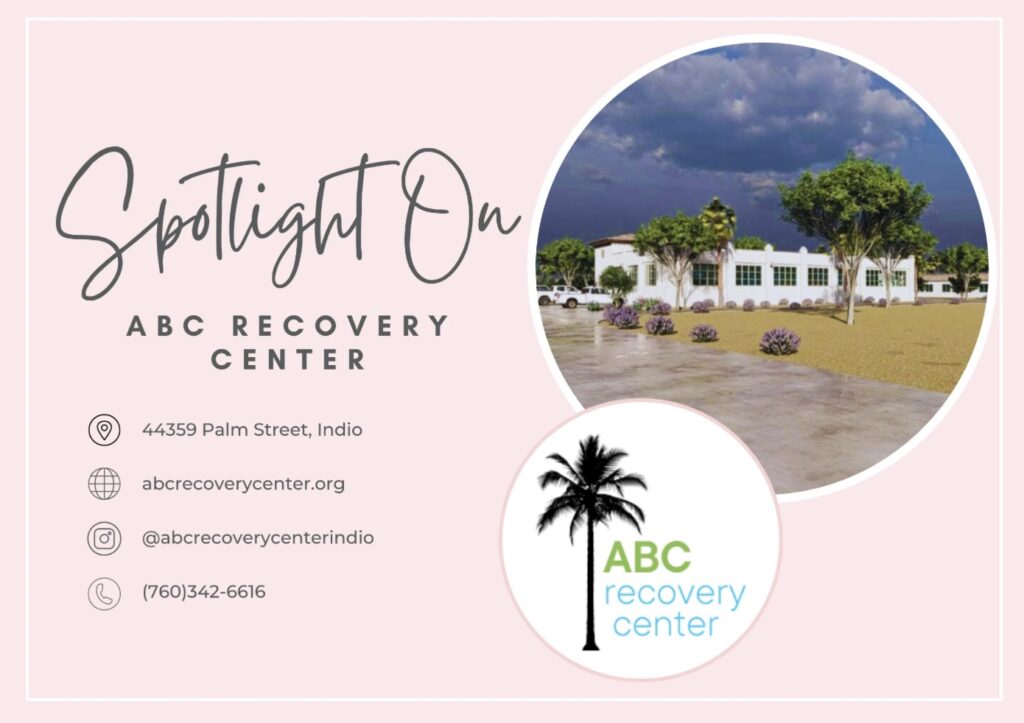
Building Hope: Spotlight On ABC Recovery Center
This spotlight is a bit of a departure, as I’m featuring a place rather than a business owner—but ABC Recovery Center is truly deserving of a moment in the spotlight!
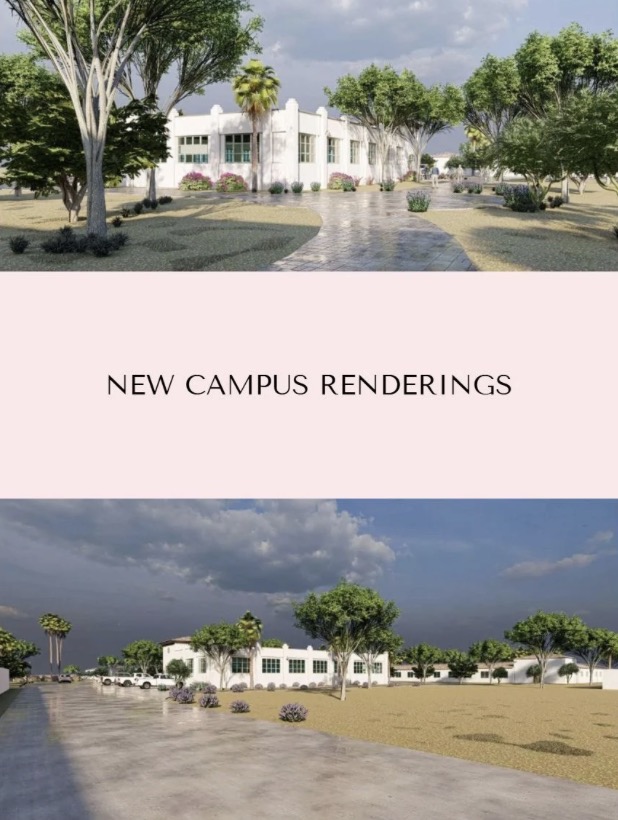
The Indio rehabilitation facility has been providing essential drug and alcohol services to the Coachella Valley for more than six decades. A safe home for 125 residents, the center is currently undergoing a massive transformation with the construction of a new state-of-the-art campus. The expansion will include seven new buildings, adding 44,000 square feet of space, with two new residential dorms, a commercial kitchen, clinical therapy rooms, offices, and a gym—ultimately increasing their treatment capacity to 216.
Consistently recognized by Newsweek as one of America’s Best Addiction Treatment Centers, this expansion will take the facility to the next level, with modern amenities that complement the high level of care ABC has long provided. I’m especially proud that my Leadership Coachella Valley class has chosen fundraising for ABC as our class project to support this exciting endeavor.
Recovery is a cause near and dear to my heart. Having visited many rehabilitation facilities over the years to support loved ones in treatment, I can honestly say ABC is in a league of its own, standing out for many reasons—most notably its incredibly compassionate and dedicated staff, strong emphasis on mental health, and commitment to teaching life skills.
Read on to learn more about the facility through interview questions answered by Ally Anderson — ABC’s Chief Operating Officer, a Leadership Coachella Valley alum, and all-around gem of a human.
XO, Lindsay
Can you share a little about how ABC began and how the mission has evolved over the years?
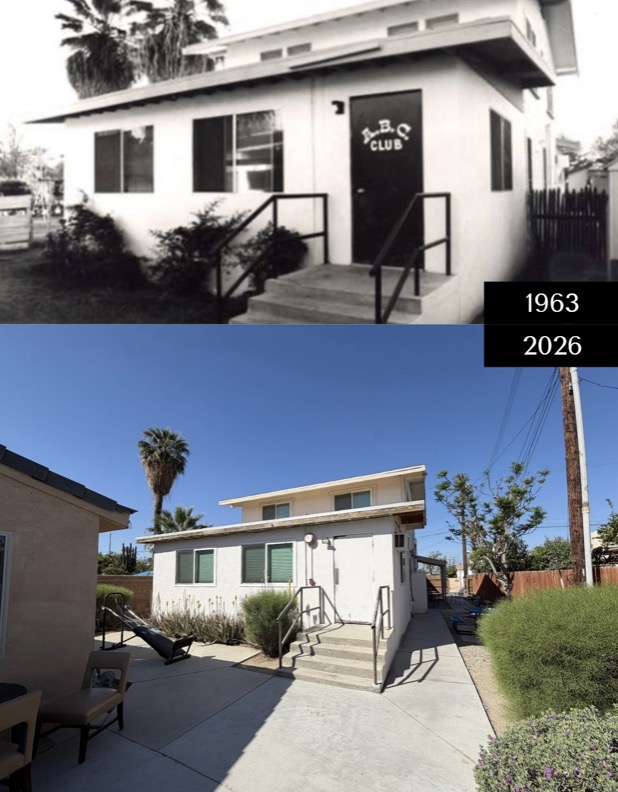
ABC Recovery Center—originally known as “The ABC Club”—was founded by Danny Leahy after his release from jail, arriving broken but determined to build a new life. The original building (pictured), which still stands on our campus today, became a refuge where individuals could come to begin their journey to sobriety. In 1963, ABC was incorporated and established as one of the region’s first recovery homes. Though those early days were humble and the resources limited, they marked the beginning of a long and meaningful journey that has led us to where we are today. Our commitment remains the same as it was at the beginning: To provide an environment for those with substance use disorders to achieve lifelong sobriety and re-enter the community as healthy and responsible individuals.
Today, ABC Recovery Center has grown significantly. We now offer 75 residential and detox beds, 50 sober living beds, and a full continuum of outpatient services, all located on one integrated campus. Our team has expanded to more than 90 dedicated staff members, a remarkable evolution from the small team of just 3–5 individuals who first brought the vision of the “ABC Club” to life.
What makes ABC unique compared to the other recovery programs in the region?
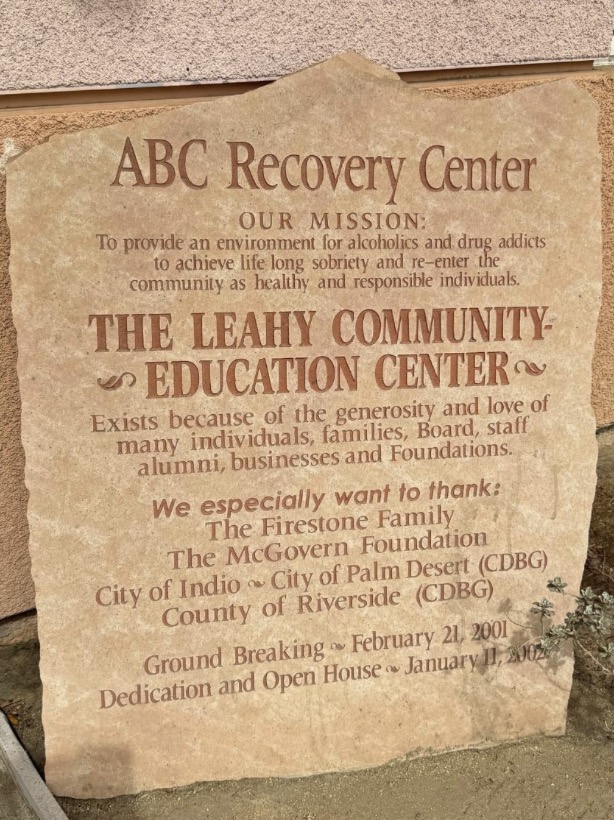
ABC Recovery Center proudly serves a clientele composed of approximately 90% Medi‑Cal–funded individuals. Our multidisciplinary team—including Clinical, Medical, Nursing, Family, and Case Management professionals—is dedicated to treating the whole person and supporting the whole family. We provide individualized care at every stage of treatment, ensuring seamless transition through detox, residential, and outpatient services.
A cornerstone of our approach is our commitment to family involvement. Through our Family Education Services and our monthly Family Weekend, we help loved ones understand addiction, strengthen communication, and build supportive home environments that foster sustained recovery. Most recently, we expanded our family program to include Spanish‑speaking services, ensuring greater accessibility and inclusivity for the communities we serve.
Our mission is to help clients reintegrate into their communities as healthy, confident, and contributing individuals. To support this goal, we remain committed to providing care rooted in the latest, evidence‑based practices, ensuring every client and family receives the most effective support available.
What is one thing you wish more people understood about addiction and recovery?
That “addiction” is not a moral failing—it is a complex, chronic medical condition, and treating it with compassion rather than judgment dramatically improves outcomes.
Many people still believe addiction is a choice or a sign of weak character, but research consistently shows that addiction is influenced by biological, psychological, and social factors, and involves real, measurable changes in the brain that affect self‑control and behavior. This misconception feeds stigma, which remains one of the biggest barriers preventing individuals from seeking treatment and receiving quality care.
Stigma causes real harm:
* People with substance use disorders often delay or avoid treatment because they fear negative judgment or discrimination.
* Stigma can even lead to poorer care within healthcare settings, as negative biases from professionals and the wider community influence how individuals are treated.
* According to the CDC, even though tens of millions of people need substance use treatment each year, many do not receive it, and stigma is a central reason why.
What I wish more people knew:
Addiction is treatable, recovery is possible, and the most helpful thing we can offer as a community is understanding, empathy, and support. When we shift from blame to compassion—and when families, providers, and neighbors approach addiction like any other health condition—we open the door for more people to seek help, stay in treatment, and rebuild their lives.
How long does the recovery journey last & what determines a resident’s length of stay?
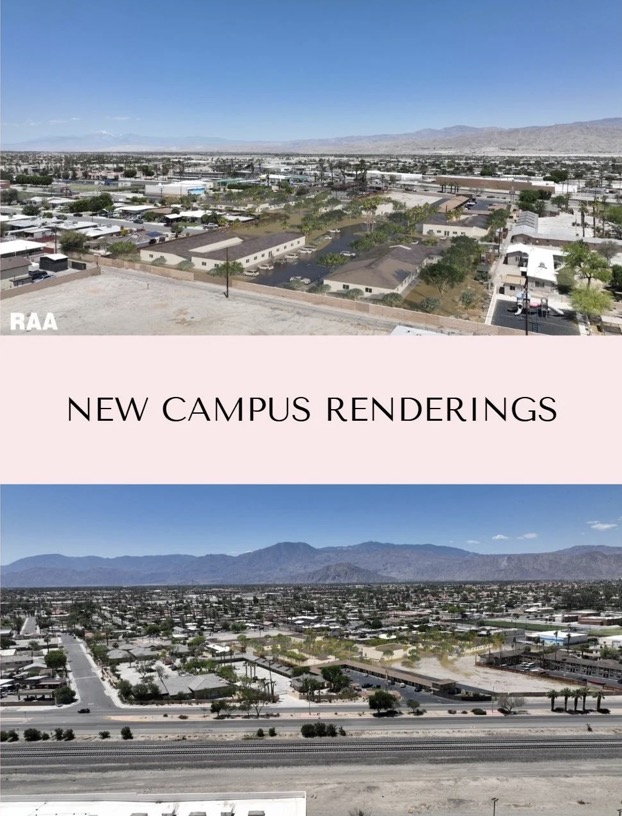
At ABC Recovery Center, our commitment to Individualized Treatment guides every aspect of our care. We understand that longer engagement in treatment significantly increases the likelihood of lasting recovery. Clients begin with detoxification services as determined by our medical team and can continue in Residential Treatment for 60 days, with the option to extend up to 120 days when clinically appropriate.
Riverside County further supports long‑term recovery by offering funding for sober living environments for a minimum of four months while clients participate in our Outpatient Services. Throughout every level of care, each client is paired with a dedicated case manager who helps ensure they have access to the resources needed for all aspects of building a healthy, productive life.
Can you walk us through a typical day of someone in the program?
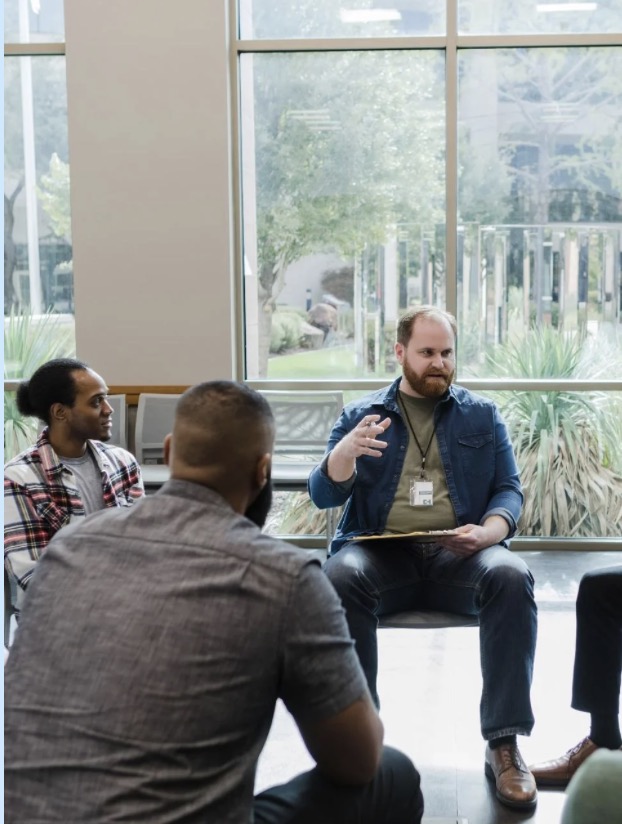
At ABC Recovery Center, each day is designed to provide structure, support, and the stability clients need while beginning their recovery journey. Mornings start early, with clients waking between 6:00 and 6:30 a.m. to prepare for the day. At 7:00 a.m., they attend an AA/NA meeting—or, after some stabilization in treatment, they have the option to go to the gym for morning exercise. After breakfast and medication check-ins, clients complete their assigned chores before the 9:00 a.m. community meeting. This meeting allows peers to address house concerns, share reflections, and set a positive tone for the day.
- The therapeutic work continues at 10:00 a.m. with a process group led by a primary counselor, followed by lunch and an afternoon lecture group. Evenings offer time to rest, read, work out, build connections with peers, or attend one-on-one counseling sessions. Throughout the day, counseling, medical, and support staff remain available to assist clients as needed.
- Many individuals entering treatment begin their stay in detox, often experiencing physical discomfort, emotional strain, or uncertainty about their ability to succeed. They receive a 7–10-day grace period to stabilize and detox safely before transitioning into structured programming. The first few weeks can be especially challenging as clients adjust to routine, face emotions they once avoided, and learn to live alongside others who are working through similar struggles.
- As clients settle in, they begin forming connections—some immediately, others gradually as they learn to coexist, communicate, and grow within a shared living environment. Support comes not only from peers but also from the collaborative efforts of nurses, counselors, case managers, and family support staff, who assist with everything from medical care to outside responsibilities.
Each day at ABC Recovery Center blends routine, community, and therapeutic support. While the structure may feel overwhelming at first, it ultimately provides clients with the tools, stability, and encouragement they need to move forward in their recovery—one day at a time.
What does success look like at ABC?
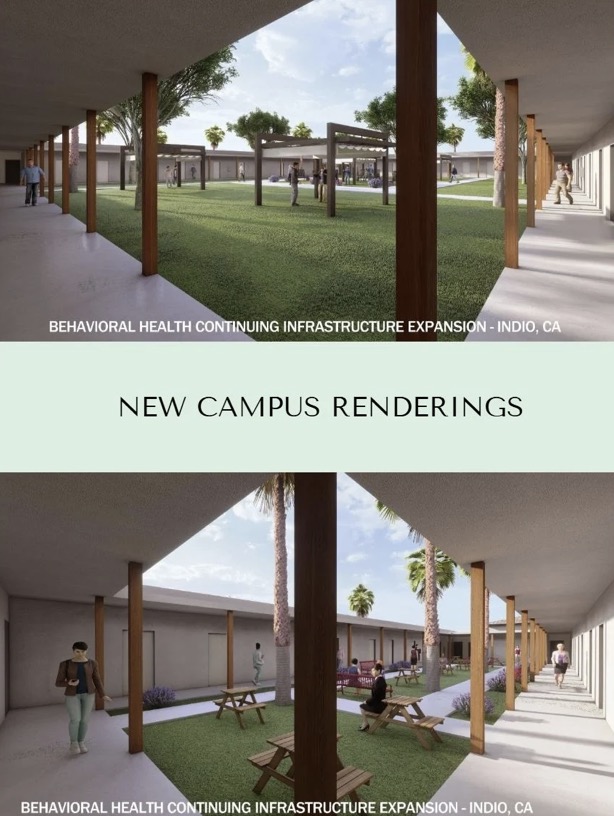
Success at ABC Recovery Center starts with client transformation. It means clients are not just completing treatment — they are actively engaging in their recovery, building life skills, strengthening their support systems, and leaving with a foundation for long-term stability.
Success looks like:
* Clients progressing through treatment milestones with measurable clinical growth
* Increased retention and program completion rates
* Clients reporting that they feel supported, challenged, and respected
* Alumni who remain connected and continue their recovery journey
But success is not only about clients — it is equally about our team.
At ABC, success means employees feel valued, heard, and supported in their roles. It looks like:
* Strong morale and low turnover
* Clear communication from leadership
* Opportunities for professional growth and advancement
* A culture of collaboration, accountability, and mutual respect
When our staff feels empowered and fulfilled, they provide better care. And when our clients succeed, our mission is fulfilled.
Ultimately, success at ABC Recovery Center means creating an environment where recovery thrives and where the people doing this important work are proud to be part of it.
Is there a story that really captures the work you do?
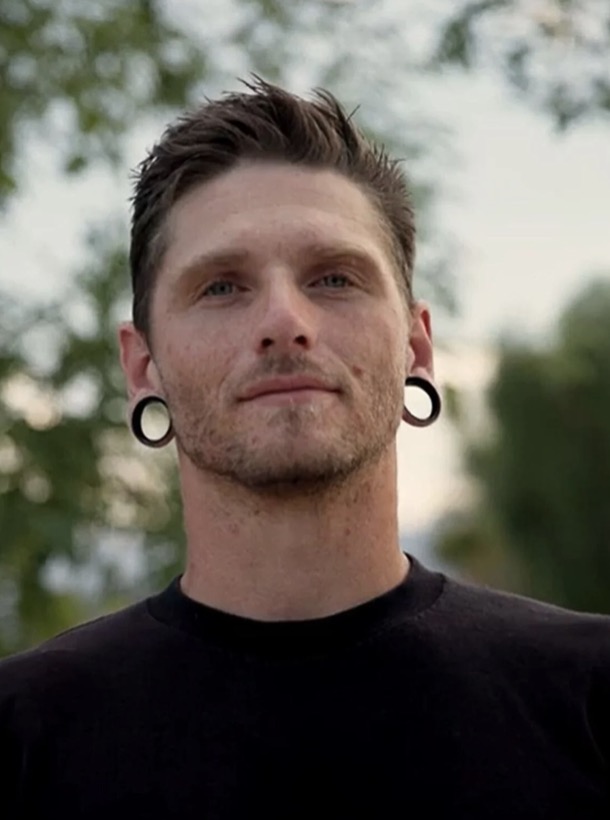
Michael’s story really embodies the heart of ABC and the impact of the work we do here. You can watch his video here.
How does recovery here impact not just the individual but the broader CV community?
Recovery doesn’t stop with the individual — it creates a ripple effect.
When someone achieves stability in recovery, families begin to heal alongside them. Trust is rebuilt. Communication improves. Children regain consistency and security. Partners and parents experience relief from the chronic stress that addiction often brings. Recovery restores relationships, and in many cases, it breaks generational cycles of substance use.
Beyond the family unit, recovery strengthens the entire Coachella Valley community. Individuals who complete treatment often return to the workforce, contribute to the local economy, and re-engage as productive, accountable community members. Emergency services, healthcare systems, and law enforcement experience reduced strain when individuals are stabilized and supported in long-term recovery.
Recovery also reduces stigma. When people see neighbors, coworkers, and family members successfully rebuild their lives, it changes the narrative around substance use disorder. It shifts the conversation from crisis to possibility.
At its core, every person who finds recovery here represents more than a personal success story — they represent safer neighborhoods, stronger families, healthier workplaces, and a more resilient community.
Tell us about the new campus and what inspired the expansion.

ABC currently serves 1,100 clients annually through 75 licensed beds, with expansion planned for Summer 2026 that will add 120 new licensed beds. This significantly increases capacity to address the behavioral health crisis in Riverside County, where substance use disorder treatment capacity has not kept pace with population growth.
The new campus reflects ABC’s longstanding Clinical Model of Recovery, which combines evidence-based clinical treatment with peer support and comprehensive case management, while maintaining the intimate, community-focused environment that has defined ABC’s success for 63 years.
How will the new facilities change the experience for residents?
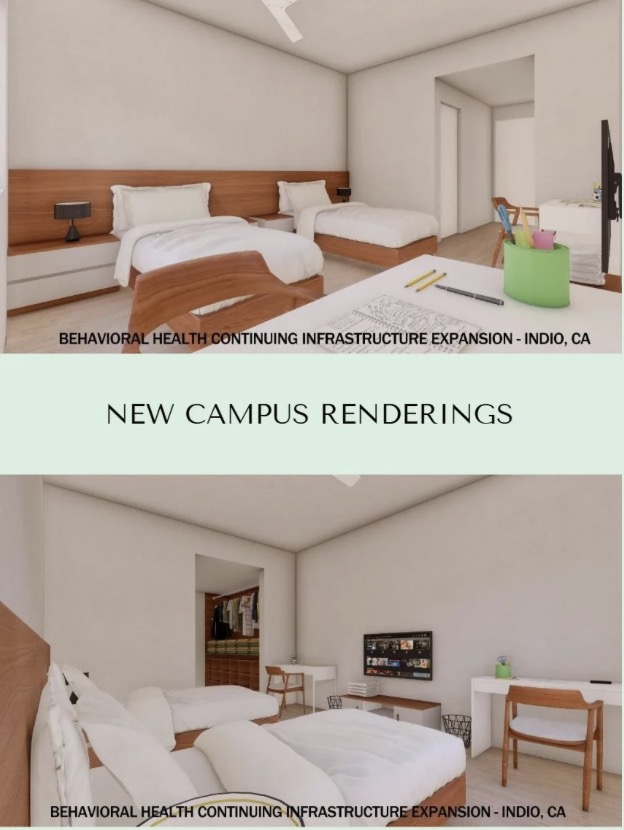
With the addition of 120 licensed beds, this expansion represents more than growth — it represents access.
As Riverside County continues to experience significant population growth, too many individuals and families face long wait times or must seek care outside their community. Expanding ABC’s campus helps close that gap, ensuring more residents of the Coachella Valley and greater Riverside County can access timely, life-saving treatment close to home.
This expansion allows us to scale our impact without compromising the personalized care and strong therapeutic relationships that define our success.
Simply put, expansion means fewer people turned away, more families restored, and a stronger, healthier community. It positions ABC not only to meet today’s behavioral health crisis — but to lead in addressing it for decades to come.
What are you most excited about in this next chapter for ABC?
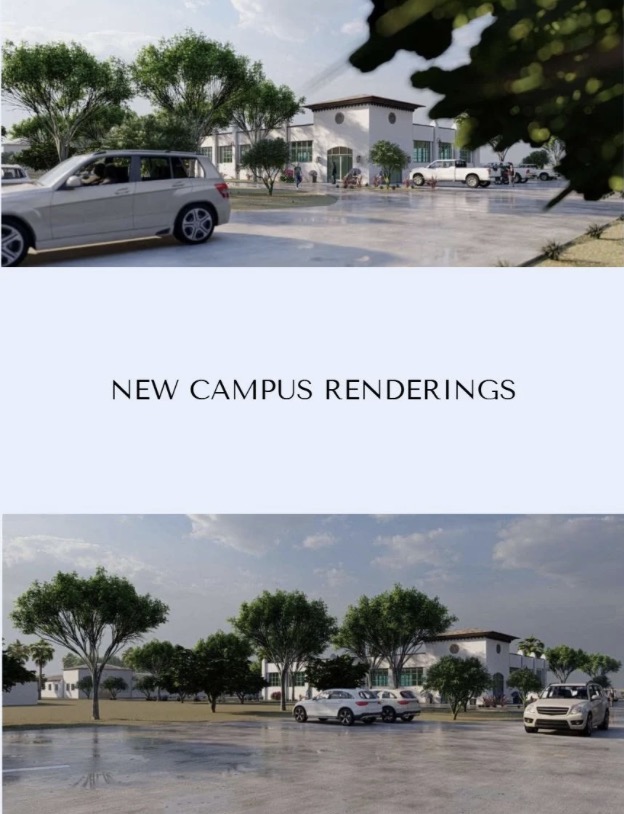
What excites me most is the opportunity to provide a state-of-the-art facility that truly reflects the level of care delivered at ABC. For decades, our treatment model has been strong, compassionate, and clinically sound — and now our physical space will finally match that excellence.
I’m excited about expanding our services so we can reach more individuals and families in need, while also creating a space that supports our growing team. As our staff expands, it’s important that we provide an environment that fosters collaboration, professionalism, and pride in the work they do.
Most importantly, this next chapter allows us to create a facility intentionally designed to support the body, mind, and spirit of everyone we serve. Recovery is holistic, and our new space will reflect that — offering an environment that promotes healing, dignity, and long-term transformation.
This is more than new buildings. It’s an investment in people, in recovery, and in the future of our community.
Why is community involvement like our class project so important?
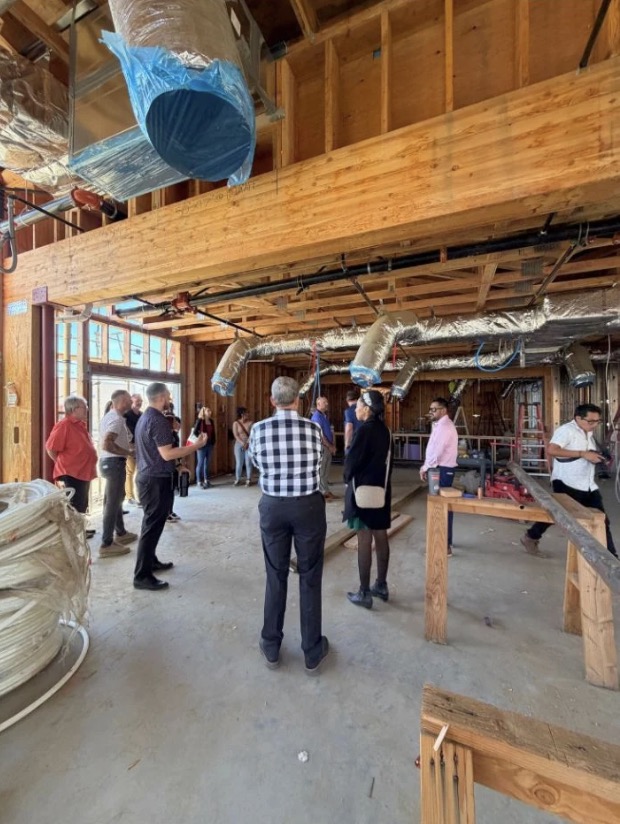
Community involvement is essential to ABC because recovery does not happen in isolation — it happens in community.
Leadership Coachella Valley’s Class of 2026 embodies what makes the Coachella Valley so special: leaders from across business, nonprofit, and civic sectors coming together in service of something bigger than themselves. Their decision to support ABC’s campus expansion — from furnishing the Welcome Center to renovating residential bedrooms and creating a Digital Donor Wall — sends a powerful message that recovery matters here.
This level of engagement goes beyond fundraising. It builds ownership. When 46 leaders activate their networks, leverage corporate partnerships, and invite others to participate in transformational giving, they are helping reduce stigma, strengthen awareness, and create a culture that supports healing.
Their $37,500 collective goal and upcoming Signature Community Fundraising Event demonstrate that leadership in action can mobilize real impact. These efforts help us create spaces that are not only clinically strong, but warm, welcoming, and reflective of the dignity every person deserves when entering treatment.
Most importantly, community involvement ensures that our expansion is not just ABC’s project — it is the Valley’s project. When local leaders stand alongside us during this pivotal chapter, it reinforces that recovery strengthens families, businesses, and neighborhoods across the Coachella Valley.
That shared commitment is what turns buildings into a movement.
What will the funds raised specifically help provide?

Through a collaborative peer-to-peer fundraising effort, the Class of 2026 is collectively raising $37,500, demonstrating how leadership in action can mobilize meaningful impact through shared commitment. In addition to individual fundraising efforts, the class is planning a celebratory evening of hope and healing on April 30th, with tours of the new campus, recovery success stories, music, finger foods and a silent auction. The event will bring together local leaders, businesses, and community members in support of ABC’s mission and will offer opportunities for sponsors to engage in a meaningful way while helping advance recovery, healing, and hope throughout the Coachella Valley. (Tickets can be purchased here!)
More generally, and for the overall community, the campaign employs a digital catalog model where donors browse specific needs and sponsor tangible items at fixed prices:
• Sponsor a Recovery Bed: $2,500 (helps cover 5-year licensing)
• Furnish a Residential Bedroom: $5,000 (naming opportunity)
• Sponsor a Community Dining Table: $5,000
• Clinical Therapy Room: $25,000 (naming opportunity)
• Wellness Center Waiting Room (pictured): $15,000 (naming opportunity)
How can someone donate to the cause?
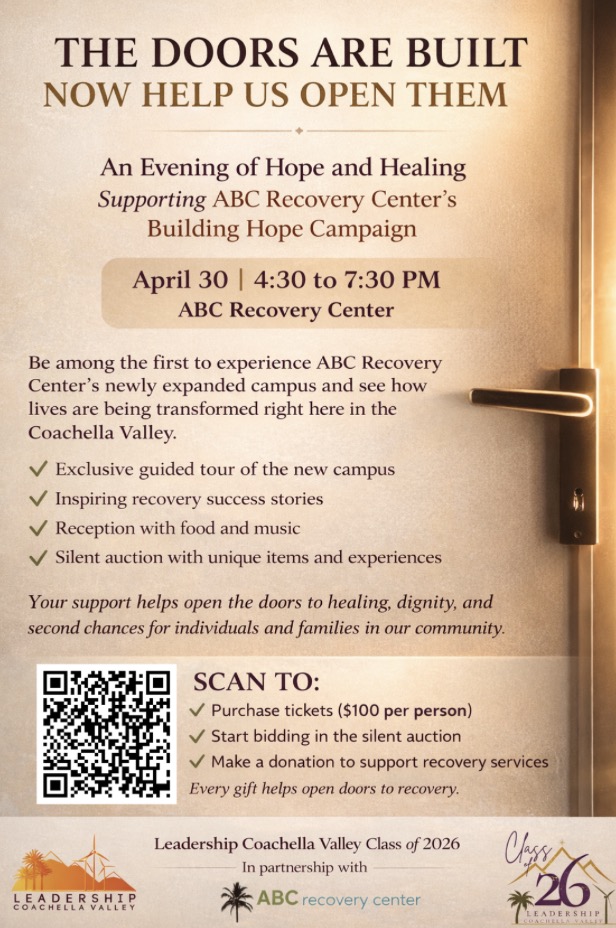
It’s easy! Just head over to our Givebutter page, where you’ll find several ways to support ABC Recovery Center. You can purchase event tickets, bid on an auction item, sponsor a name plaque in honor of a loved one in recovery, fund an entire room or space, or make a direct donation. Every contribution counts, and we appreciate any amount, big or small.
Prefer to send a check? That works, too! Make checks payable to ABC Recovery Center, Inc. and mail to 44359 Palm Street, Indio, CA 92201, noting “Building Hope” in the memo line.
How can local residents support ABC beyond the fundraiser?

There are many meaningful ways for local residents to support ABC beyond a single fundraising event.
First, they can become advocates. Talking openly about recovery, sharing our mission, and helping reduce stigma in the community make a powerful difference. When recovery is understood as a health issue — not a moral failing — more people feel safe asking for help.
Residents can support by:
- Referring individuals or families who may need services
- Following and sharing ABC’s work on social platforms
- Contributing to ongoing campus initiatives like Building Hope: Furnishing the Future
Local businesses can partner by:
- Providing employment opportunities for graduates
Most importantly, community members can simply stay engaged. Recovery is sustained when people in the Valley see it as a shared responsibility — when they understand that every person who heals strengthens families, workplaces, and neighborhoods.
Supporting ABC isn’t just about financial contributions. It’s about standing alongside individuals on their journey and helping build a community where recovery is visible, valued, and possible.